

A guitar strap lock is a small piece of hardware with one job: help keep a guitar attached to its strap when a normal button-and-hole connection could slip free. The right system can add real peace of mind, but it is not a substitute for good leather ends, sound strap buttons, and a quick check before you play.
For some players, a standard strap button and a well-made strap are enough. For a performer who moves hard, swaps instruments, plays a heavy guitar, or simply wants more security around a favorite instrument, a lock or block can be a sensible extra layer. The useful choice depends on the guitar, the strap, and how permanent you want the change to be.
What guitar strap locks actually do
A conventional strap stays on because the button head holds the leather or fabric end in place. That works well when the strap end fits properly and the button is secure. A strap lock adds a positive connection, usually by replacing the guitar’s buttons with matching hardware and adding a locking piece to the strap. The strap can then move with the player without relying only on the shape of its button hole.
There are also simpler retainers, often called strap blocks. These flexible pieces fit over a normal strap and button after the strap is attached. As Ernie Ball explains in its comparison, blocks are a removable approach, while traditional locks use paired components on both the guitar and the strap. Neither turns a loose screw or worn strap end into a safe connection.
Think of a lock as part of a small system: the button must be seated in sound wood, the strap end must be intact, the lock must engage fully, and the player should know how it releases. If one part is uncertain, solve that part first.
Choose between a mechanical lock and a strap block
Mechanical lock systems suit players who want a dedicated, repeatable setup. They are often a good fit for regular stage use, an instrument that gets carried for long periods, or a player who keeps one strap assigned to one guitar. The tradeoff is commitment. The buttons become part of the system, and the strap-end hardware must suit the thickness and construction of the strap.
Strap blocks are a practical option when you want to keep the original buttons, move a retainer between instruments, or try more security without changing hardware. D’Addario lists both slip-on blocks and a universal lock system, which is a useful reminder that these are different solutions for different levels of permanence. A block must still fit the button and sit fully over the attached strap.
Do not choose only by the most dramatic marketing claim. Consider how often you remove the strap, whether you share it between guitars, whether the instrument is vintage or unfamiliar, and whether you would rather have a technician install the hardware. A simple block can be enough for one player. Another may value a purpose-built lock for every guitar used on stage.

Start with the strap and buttons you already have
Before buying anything, inspect the existing connection. Remove the strap while the guitar is supported, then look at the leather or fabric around both holes. It should lie flat, not look stretched thin, cracked, or enlarged. Put it back on and confirm that each end sits completely beneath the button head.
Next, check the buttons themselves. A button that turns, rocks, sits proud of the body, or looks as if it has pulled away needs attention before a locking accessory is added. A lock can keep the strap attached to the button, but it cannot make a compromised button secure in the guitar. This is particularly important on an instrument with a history, a delicate finish, or a hole that may have been repaired before.
Then consider the strap’s thickness. Some leather ends are substantial by design, especially on a lined or hand-tooled strap. A particular lock may need a wider opening or a different assembly method to work correctly with that material. Schaller’s S-Locks installation guide advises matching the button and hole to the existing instrument and tightening by hand rather than forcing the hardware. Follow the instructions for the exact system you choose.
Match the setup to the way you play
The case for a lock gets stronger as the consequences of a slip rise. Standing rehearsals, active stage movement, quick changes, a heavy bass, or a valuable guitar are all situations where extra retention can be reassuring. That does not mean every seated practice player needs a permanent hardware swap. Start with the actual risk, not the accessory list.
Comfort still comes first. A secure strap held at the wrong height can make a player compensate through the shoulder, wrist, or back. Set the guitar where both hands can work naturally, then check the connection points at that height. The Journal’s leather strap adjustment guide walks through that fit test, while the guitar strap width guide helps with the shoulder-support side of the decision.
For acoustic guitars, pause before assuming the setup matches an electric. Some acoustics use a headstock tie, a single endpin, or an endpin output jack. D’Addario’s accessory guidance shows that acoustic attachment can need a different solution. When the layout is unfamiliar, get advice from a qualified technician instead of drilling first and discovering a conflict later.

Install carefully, or let a technician do it
A quality lock deserves a careful installation. Read the maker’s instructions all the way through, work on a stable padded surface, and keep the guitar supported. Do not force a screw because it feels close enough, and do not assume a screw from one button system is interchangeable with another. Wood, finish, hole size, and hardware dimensions all matter.
If the task involves drilling, a loose or oversized hole, a high-value instrument, or a finish you do not want to risk, a guitar technician is the sensible choice. Sweetwater’s installation guide notes that a depth guide on the drill bit is important and that strap-button installation needs deliberate preparation. The goal is a secure fit, not a rushed modification.
After installation, practice connecting and releasing the strap with the guitar supported. You should know which movement releases the system and whether each end has engaged. Then check the same points after the first few rehearsals. Hardware settles into real use, and a five-second inspection is easier than learning about looseness mid-song.
Make a quick check part of your routine
A good routine is brief enough that you will actually do it. With the guitar supported, attach the strap at both ends and look directly at each connection. Confirm that the leather or fabric is fully seated, the button is firm, and the lock or block is in its intended position. Lift the guitar only when those small details look right.
Repeat the check after a strap has been moved from another instrument, after travel, and before a show. Cases, temperature changes, crowded stages, and hurried setup are exactly when small oversights become expensive. If anything looks different from the last time you used the strap, stop there. A technician can answer an uncertain hardware question far more cheaply than a repair bench can answer a fall.
Keep the whole connection in working order
A strap lock is not a set-it-and-forget-it part. Before a show, look at both strap ends, touch each button to confirm it is firm, and check that the lock clicks or seats the way it should. Inspect the leather around the lock hardware as well. Leather that is torn, overly stretched, or cut to fit a part it was not designed for deserves repair or replacement.
Keep the strap clean and dry, especially after outdoor playing or a hot stage. Store the guitar so metal hardware is not pressed hard against a finished surface. If you use one strap on several instruments, make a habit of checking the compatibility of each button before lifting the guitar. A familiar strap is not automatically a familiar connection.
The Journal’s guitar strap hardware guide covers the quieter details that hold a fit together, from leather ends to adjustment fittings. Those ordinary checks belong beside any decision about locks.

Build a secure setup around a strap worth keeping
Southwest Distinctions builds leather guitar straps around the choices that affect real playing: fit, width, adjustment, shoulder support, and the construction at the ends. Once those working decisions are settled, hand tooling, loom-woven beadwork, lining, and color can make the strap personal without losing its purpose.
Browse the handmade guitar strap collection for finished examples, or explore custom leather guitar straps when you want the fit and leatherwork built around your own instrument. If you are considering a custom strap alongside a particular lock system, mention that when you begin a custom order so the connection can be discussed before the piece is made.
Built for your guitar
Choose a strap that feels right before the first song.
Explore handmade leather guitar straps, or begin a custom order with a few notes about your guitar and how you play.
Questions about guitar strap locks
Do I need guitar strap locks?
Strap locks are most useful when a guitar sees active standing play, frequent strap changes, or a situation where an accidental drop would be especially costly. A sound strap end and secure buttons still matter, with or without a locking system.
What is the difference between strap locks and strap blocks?
A strap lock is generally a matching mechanical system installed on the guitar and strap. A strap block is a flexible retainer that sits over a standard button after the strap is attached, so it can add security without changing the instrument hardware.
Can I put strap locks on an acoustic guitar?
Many acoustic guitars can use a locking system, but their button layout and endpin hardware vary. Check the lock maker’s compatibility guidance, and ask a qualified guitar technician for help before modifying a valuable, vintage, or unfamiliar instrument.
How often should I check guitar strap locks?
Check the strap ends, lock engagement, and button screws before a rehearsal, performance, or long playing session. Any looseness, damaged leather, enlarged hole, or uncertain fit deserves attention before the guitar is carried by the strap.
Related posts
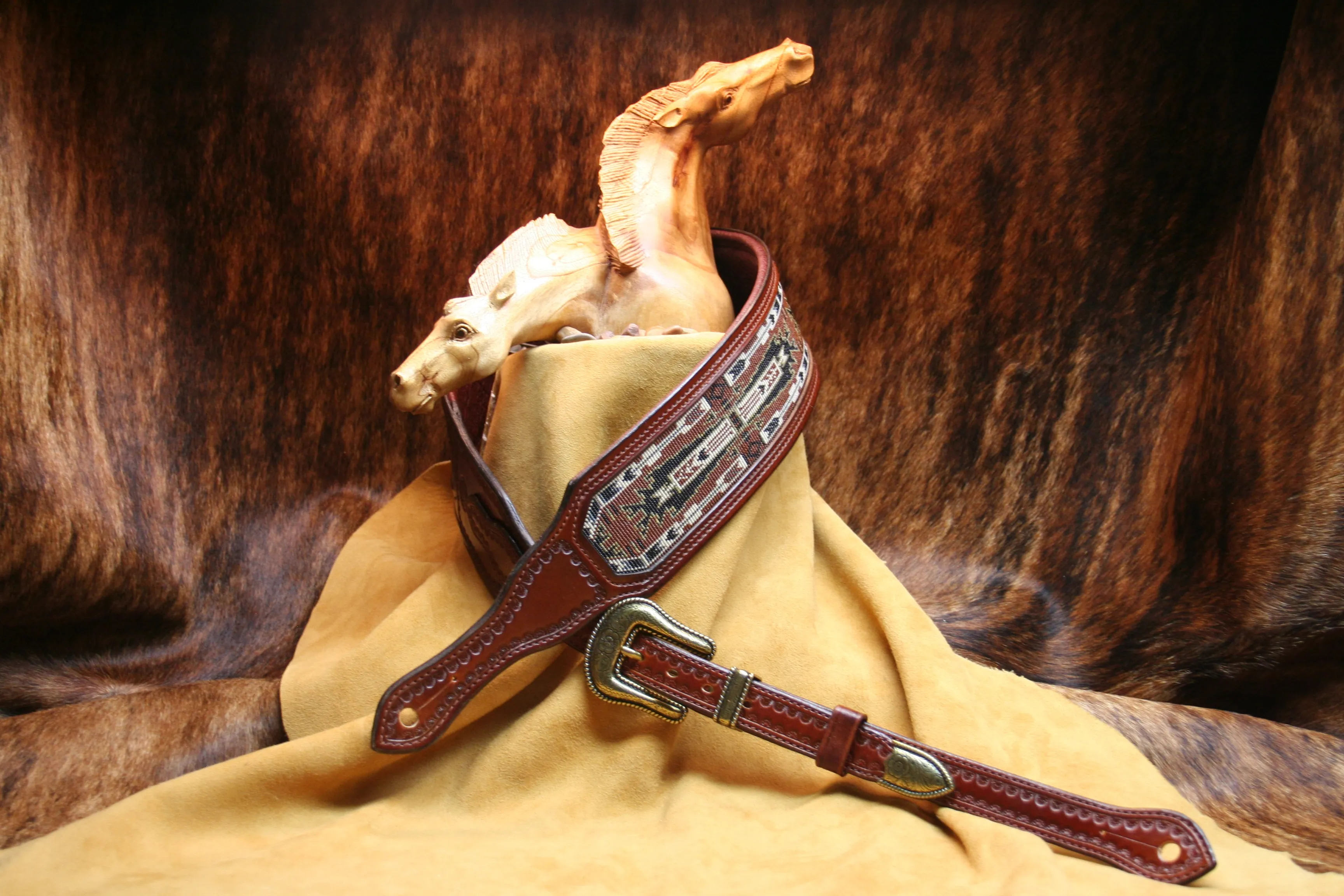
Guitar Culture
Guitar Strap Hardware: What Holds the Fit Together
A practical guide to guitar strap hardware, from leather ends and adjustment fittings to secure everyday checks.
Read the guide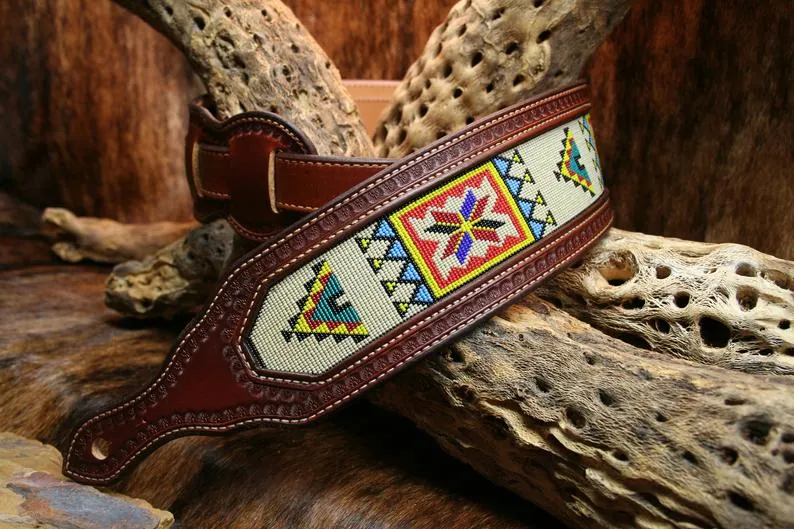
Guitar Culture
How to Adjust a Leather Guitar Strap
A practical way to set the right length, playing height, and comfort for a leather guitar strap.
Read the guide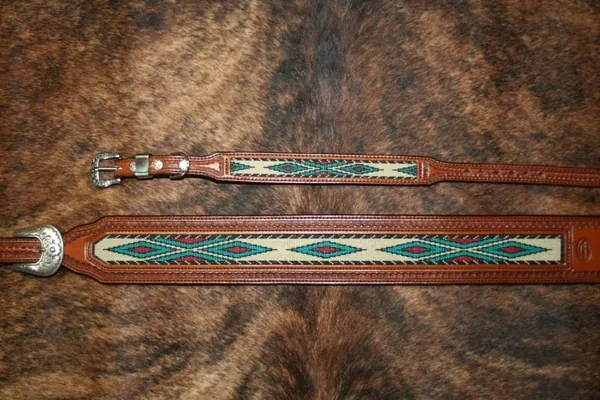
Guitar Culture
Guitar Strap Width: How to Choose the Right Fit
A practical guide to choosing guitar strap width for your instrument, playing time, comfort, and personal style.
Read the guide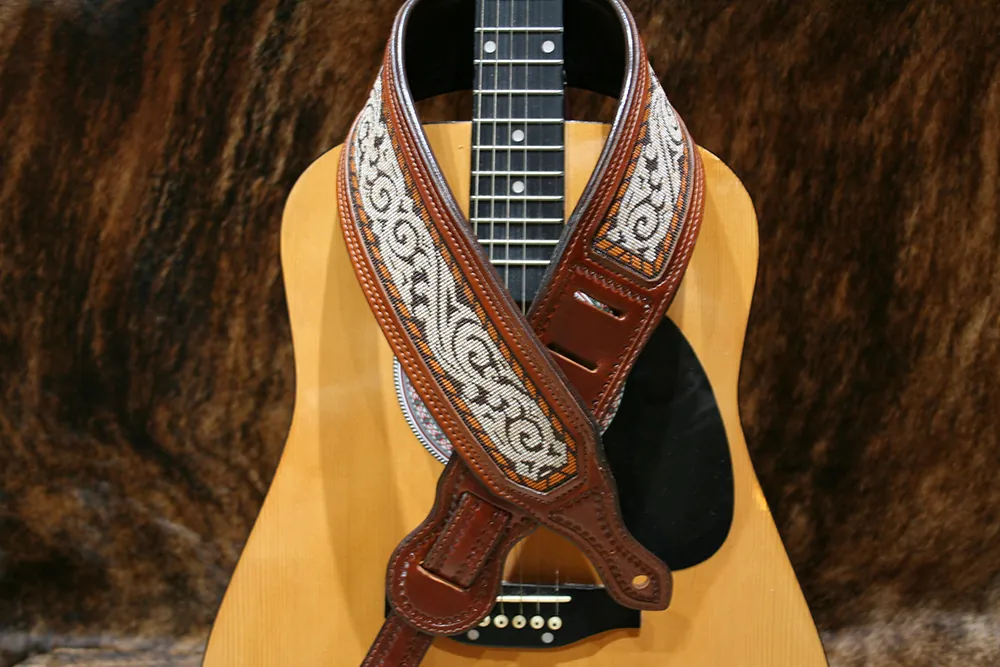
Guitar Culture
Padded Leather Guitar Straps: How to Choose One
A practical guide to choosing a padded leather guitar strap for the right width, length, support, and playing comfort.
Read the guide