

A bass strap has one very direct job: keep the instrument in a useful place long enough that you can stop thinking about your shoulder and start listening to the groove. Leather can make that job feel especially settled, but only when the width, length, ends, and adjustment suit the bass in your hands. A handsome strap that creates a hot spot halfway through rehearsal is still the wrong strap.
Bass players often ask more from a strap than players of lighter instruments. The body can sit lower, the scale length changes the reach of the fretting hand, and a few extra pounds become obvious over a whole set. That does not mean every bass needs an extra-wide padded build. It means the choice should begin with your instrument, your playing height, and the amount of time you actually wear it.
Start with the bass you actually play
Before you compare leather colors or tooled patterns, put on your present strap and play for a while. A compact short-scale bass, a classic four-string, and a larger five- or six-string can all ask something different from your shoulder. The useful question is not whether a bass is objectively heavy. It is whether yours stays comfortable and controllable through your normal rehearsal, recording, worship set, or gig.
Notice when the discomfort arrives. A narrow pressure point near the outside of the shoulder suggests a width issue. A strap that feels fine at first but becomes hard after several songs may benefit from a softer contact point or padding. A bass that keeps drifting away from your body can be a length or playing-position problem. Naming the specific annoyance gives you a much better starting point than simply deciding the bass feels heavy.
Make the test honest. Stand the way you stand on stage, wear the clothes you normally rehearse in, and play a line that takes you up the neck. Then sit down and stand back up. The right strap lets the bass return to a familiar place without asking your shoulder to lift or your fretting wrist to make an awkward reach. The Journal's guide to adjusting a leather guitar strap walks through that fitting process in more detail.
Choose width before you decide on padding
Width is often the first comfort decision for a bass because it changes how the instrument's load is spread across your shoulder. A wider leather shoulder section can give the weight more room to distribute, which can be welcome for a heavier body or longer standing session. A slimmer strap can still be exactly right for a lighter bass, a player who prefers a low-profile feel, or a shorter set where it never creates a pressure point.
There is no magic number that fits every player. Current bass-strap listings range from around three inches to four and a half inches, while some all-purpose leather straps are much narrower. That range is useful as a comparison tool, not a prescription. The Ernie Ball leather strap line, for example, shows a two-inch adjustable model that is intended for guitar or bass. Wider padded bass-specific options exist too. Your own test decides whether extra surface area solves a real problem.
Padding is a separate decision. It changes the feel where the leather meets your shoulder, while width changes how the load is spread. A padded section may make a long set friendlier, especially when a bass has enough weight to make a firm edge noticeable. But padding cannot correct a bass that hangs too low, a strap that twists, or an end that is not properly seated. Read the padded leather guitar strap guide alongside the guitar strap width guide to separate those decisions before you order.

Set the playing height with both hands in mind
A bass can feel wrong even on a comfortable shoulder section if the playing height is not right. Set it at the height where your plucking hand lands naturally and your fretting wrist is not forced into a sharp bend. Play an open-string groove, a passage higher up the neck, and the kind of line that makes you move between positions. Your shoulders should stay relaxed while both hands can do their jobs.
Some players prefer a higher position for close control; others play lower and need additional length. Neither choice is a style rule you have to copy. The strap needs enough adjustment range to reach your own position without leaving a buckle directly on a pressure point or a loose tail where it catches on clothing and case hardware. Check the actual range before buying, especially if you are tall, wear a bass low, or share one strap between different instruments.
Fixed length has a place when one bass always hangs at the same height and you already know the measurement that works. Adjustable leather gives more room to experiment, switch instruments, or move between sitting practice and standing performance. If you are still discovering the right height, adjustment is usually more useful than a perfectly clean-looking fixed strap that locks you into a guess.
Check the attachment before trusting the strap
A bass strap is only as dependable as its two connection points. Look at the strap buttons on your instrument and at the leather around the holes in your current strap. Good leather ends should lie flat, seat fully under the button heads, and remain substantial around the openings. If a hole has stretched, cracked, or only partly catches the button, replace or repair the strap before putting a valuable instrument on it.
Give both ends a small, sensible check before a rehearsal or show. You are not trying to yank the bass loose. You are confirming that each end is properly seated and the buttons are secure. If you use a locking system for active movement or extra peace of mind, make sure it is compatible with the leather end and installed according to its maker's instructions. Locks can be useful, but they do not replace sound leather, a proper fit, and maintained hardware.
The guitar strap hardware guide covers leather ends, adjustment fittings, and the everyday checks that keep a strap predictable. Those small details matter even more when the instrument is heavier, because an avoidable drop is never worth the risk.

Let the leather do more than look good
Leather gives a bass strap a different feel from a thin synthetic webbing strap. It can be structured enough to hold its shape, substantial enough to carry a detailed shoulder section, and capable of developing character with regular use. But leather is not one uniform material, and the words on a product page do not replace a close look at the build.
Look for leather that feels appropriate to the job, cleanly finished edges, dependable stitching, and a shoulder section that is not fighting the adjustment hardware. A heavier, firmer leather may feel more substantial and may soften with use. A softer leather can feel immediately comfortable. Neither is automatically superior. The question is whether the thickness, lining, and construction support the kind of playing you do without becoming stiff, slippery, or overly bulky.
Decorative work should follow the structure, not hide it. Tooling, hand-woven beadwork, conchos, or a lined shoulder section can make a strap feel personal, but the bass still needs a stable, comfortable foundation underneath. A good maker starts with the instrument and fit, then makes room for the visual details that will be seen when the bass is actually in playing position.
Use a real rehearsal test before finalising a custom build
For a custom leather bass guitar strap, spend ten or fifteen minutes gathering useful notes before the conversation starts. Play the bass with your current strap and write down the first thing that becomes annoying. Is the issue a narrow edge, an awkward height, a buckle at the shoulder, a strap that slides, or a connection point you do not trust? The clearer the observation, the easier it is to choose the right improvement.
Then take a few practical measurements. Measure the length that places the bass where you want it while standing. Note whether you sit to play, how low you wear the instrument, and whether another player will share the strap. A photo of the bass is useful too. It helps a maker see the body shape, strap-button layout, finish, hardware color, and the visual scale a wider shoulder section can carry.
Do not be shy about describing the music and the setting. A bass used for a short studio take has different needs from one worn through a three-hour club set. A player who moves constantly needs to check security and adjustment differently from someone who remains at a music stand. Those are not fussy details. They are the information that turns a decorative accessory into a piece of working gear.

Compare the choices in the right order
It is easy to compare straps by the most visible feature first: color, pattern, fringe, tooling, or price. For a bass, reverse that order. Start with the things that change whether the strap works at all, then use the visual choices to make the finished piece feel like it belongs with your instrument. This approach is especially useful when you are ordering online and cannot put the strap on before it arrives.
First, decide what needs to improve from your current strap. If the problem is a sharp shoulder hot spot, compare width and the shape of the shoulder section. If the bass is difficult to reach, compare actual adjustment ranges and fixed versus adjustable construction. If the strap keeps slipping or feels insecure, inspect the leather ends, button compatibility, and the hardware plan. If you already like the way it feels and simply want more character, then you can give the leather color, tooling, and decorative work more weight in the decision.
Second, be precise about the tradeoff. A very wide, heavily padded strap can provide a generous contact area, but it can also feel more substantial across the shoulder and may be more than a light bass needs. A slimmer leather strap can feel direct and uncluttered, but it will reveal a poor playing height or a heavy instrument more quickly. An adjustable tail is flexible, while a fixed-length strap can look clean and stay settled when the measurement is already proven. None of those qualities are good or bad in isolation.
Third, do not confuse a more expensive material or a louder design with a better fit. A beautifully tooled strap still needs to sit in the right place. A simple strap made from sound leather can be a better partner for a long rehearsal than an elaborate piece that creates discomfort. Use appearance as the final layer of a decision that begins with comfort, security, and control.
Think about shoulder comfort over a whole set
Comfort is not a single sensation. A strap can feel soft at the first try-on and still become distracting once your body settles into a longer session. That is why a useful bass-strap test has more than one moment. Check it when you first put the bass on, after a few songs, after you move around, and after you sit down and stand back up. Each moment can reveal a different issue.
Pay attention to where you start compensating. If you find yourself raising one shoulder, leaning the bass against your hip, pulling the neck inward, or changing your usual hand position just to stay comfortable, the strap is asking too much of you. A wider shoulder section may help if the problem is concentrated pressure. A different length may help if the bass keeps pulling your torso or hands out of their natural positions. A padded build may help if the overall support is right but the contact feels hard over time.
There is also a difference between a strap that feels secure and one that feels restrictive. Your bass should not slide wildly as you move, but the leather should not bind against clothing or force the instrument into one rigid angle. If you play seated, check that the adjustment hardware and shoulder section remain comfortable when the body of the bass changes position. If you wear the bass over a jacket on stage and a T-shirt at home, test both situations before treating a measurement as final.
For players managing recurring pain, a strap can improve the way the bass feels but it is not a medical solution. Persistent shoulder, back, or wrist pain is worth discussing with a qualified health professional. In the meantime, use the fitting process to remove obvious strain rather than trying to play through a setup that is making you tense.
Choose visual details that work on a bass
A bass has a long visual line, and the strap becomes part of that silhouette. A broad shoulder section gives hand tooling or beadwork room to read from a distance, while a quieter strap can let a figured wood top, bold pickguard, or distinctive hardware stay in charge. The goal is not to match every color exactly. It is to create a relationship that feels intentional when the bass is on your shoulder.
Begin with the leather. Natural, brown, dark brown, black, and cognac all change the mood of the same instrument. Then choose one leading detail. A hand-tooled border can bring texture without competing with the bass. A loom-woven inlay can introduce color and fine pattern. Turquoise, conchos, or a lined construction can add their own note. When every element tries to lead, the result can feel busy. When one element leads and the rest support it, the strap has a clearer presence.
Placement matters as much as the design. A striking panel should sit where it is visible when you play, rather than disappearing under the shoulder or landing against your side. Share a photo of the bass in playing position if you are commissioning a custom build. That makes it easier to judge the scale of the leatherwork and to keep a buckle, concho, or decorative edge away from the places that take the most pressure.
A custom strap can also carry a quieter story. A color taken from an old amplifier grille, a favorite album cover, a stage jacket, or the grain in the bass itself can be enough. You do not need a literal theme for the piece to feel personal. The most lasting designs usually give the player something to notice up close, while still looking right as part of the whole instrument from across the room.
Keep the strap ready for the next set
A leather strap does not need elaborate care, but it benefits from attention at the places that do the most work. Before playing, check the button holes, adjustment point, and any locks. After a rehearsal or travel day, keep it away from sharp cable ends, rough case hardware, and hard folds that stress the leather. Store it in a loose curve when practical.
If the strap gets wet, let it dry naturally in a well-ventilated place. Direct heat can make leather dry unevenly or feel stiff. Remove ordinary dust with a soft dry cloth. If it needs conditioner, follow the guidance for the specific leather and use it carefully, especially around detailed tooling, beadwork, or hardware. Patina from playing is part of leather's appeal. Damage from avoidable neglect is not.
Build the bass strap around the way you play
Southwest Distinctions builds custom leather straps from the practical choices outward. Start with the bass, your playing height, the time you spend standing, the shoulder support you need, and whether fixed or adjustable length makes sense. From there, the strap can be shaped around the details that make it yours: Hermann Oak leather, a lined and padded shoulder section, hand tooling, loom-woven beadwork, conchos, or a quieter finish that lets the bass take the lead.
That order matters. It keeps the visual work from getting in the way of the working purpose. Browse the handmade guitar strap collection for finished examples, then visit custom leather guitar straps for a closer look at the decisions worth settling before a made-to-order piece begins. When you have your bass photo and a few notes about fit, the custom order page is the direct next step.
Made around your bass
Get the support right. Let the leatherwork carry your style.
Explore handmade leather guitar straps, or begin a custom order with a photo of your bass and a few notes about the way you play.
Questions about leather bass guitar straps
How wide should a leather bass guitar strap be?
There is no single right width. A wider shoulder section can spread the load from a heavier bass over more of the shoulder, while a lighter bass or shorter session may feel natural on a slimmer strap. Test the instrument at your normal playing height before deciding.
Does a bass guitar need a padded strap?
Not always. Padding can soften the contact point, but it does not correct the wrong length, insecure attachment, or a strap that is too narrow for the way your bass feels on your shoulder. Start with fit and width, then decide whether padding adds value.
How long should a bass guitar strap be?
Set the bass where your hands, shoulders, and fretting wrist feel natural while standing. Check the actual adjustment range if you prefer a low playing position, share a strap between instruments, or move between sitting and standing.
Can I use a guitar strap on a bass?
Many leather guitar straps work well on bass when the ends fit the buttons securely and the width, length, and support suit the instrument. A heavier bass often makes those fit details more important, not less.
Related posts
Guitar Culture
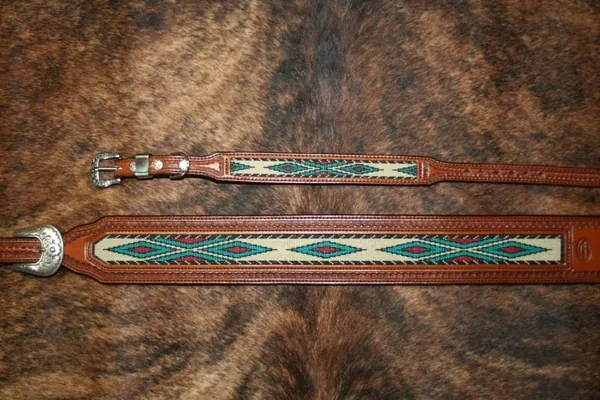
Guitar Strap Width: How to Choose the Right Fit
A practical guide to choosing guitar strap width for your instrument, playing time, comfort, and personal style.
Read the guide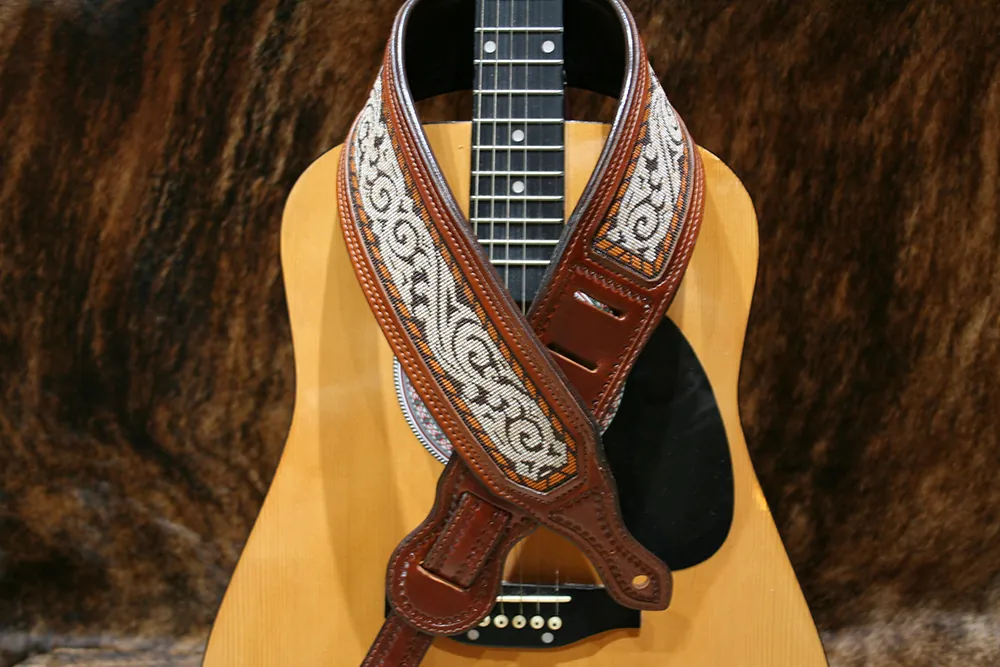
Guitar Culture
Padded Leather Guitar Straps: How to Choose One
A practical guide to choosing a padded leather guitar strap for the right width, length, support, and playing comfort.
Read the guide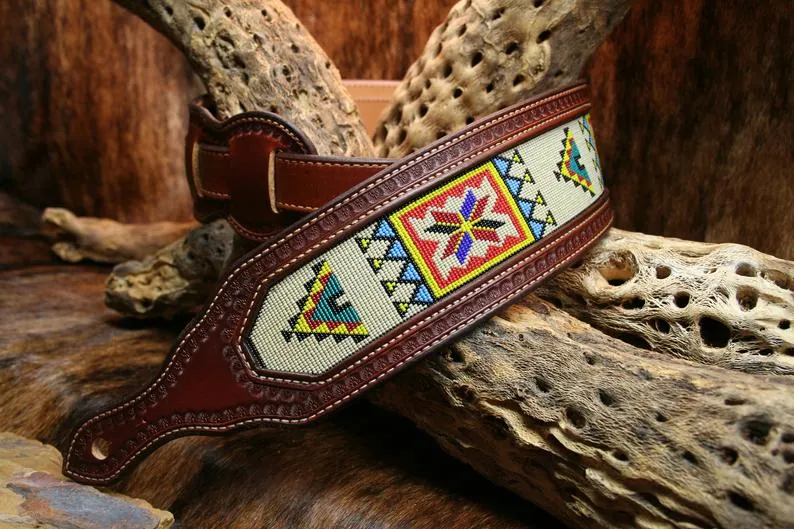
Guitar Culture
How to Adjust a Leather Guitar Strap
A practical way to set the right length, playing height, and comfort for a leather guitar strap.
Read the guide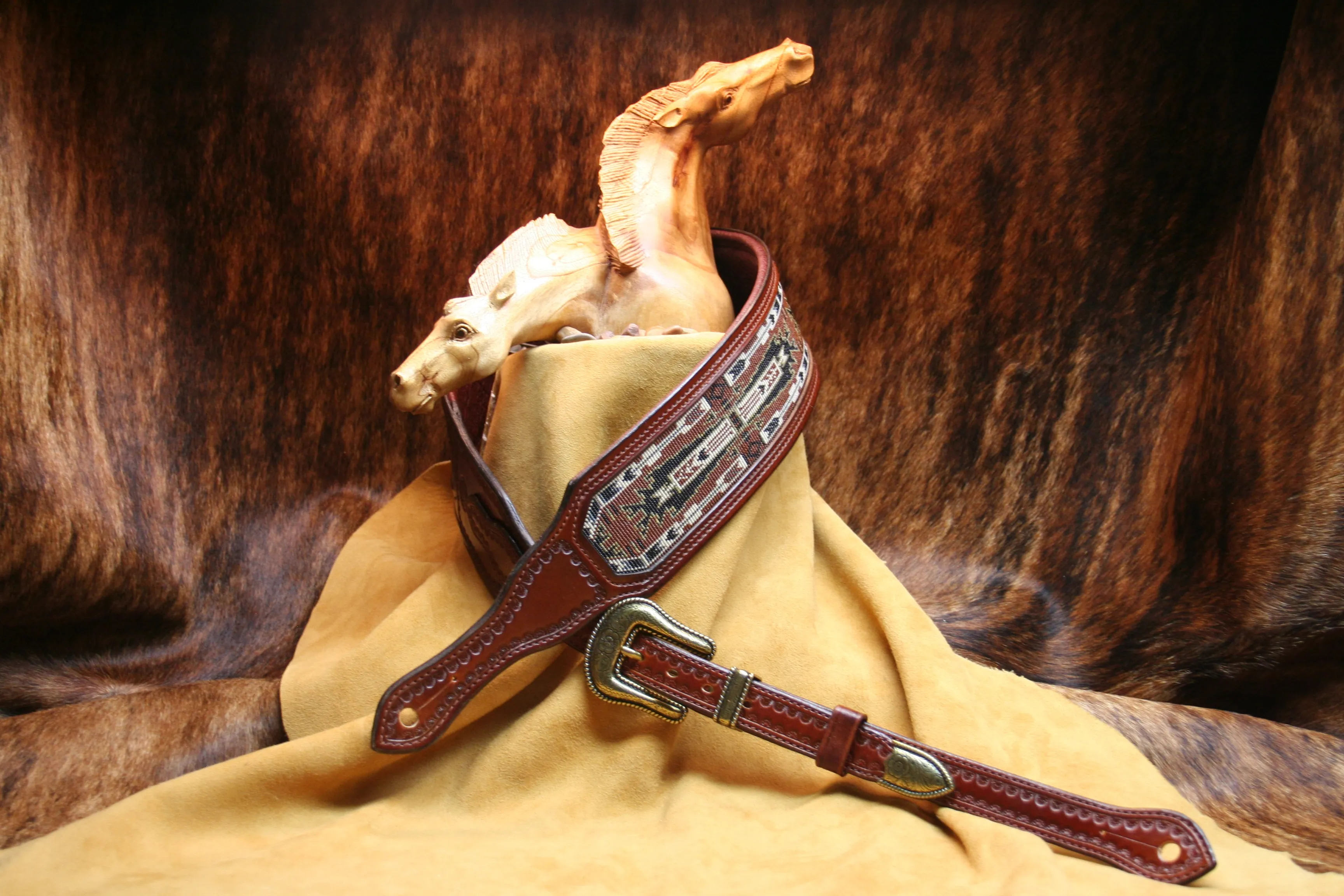
Guitar Culture
Guitar Strap Hardware: What Holds the Fit Together
A practical guide to guitar strap hardware, from leather ends and adjustment fittings to secure everyday checks.
Read the guide