

A Les Paul strap needs to do more than look right against a handsome single-cut guitar. It needs to keep the instrument at a useful height, spread the feel of a substantial body across your shoulder, stay secure at both buttons, and let you stop thinking about the strap when the song starts.
That does not mean every Les Paul calls for the same extra-wide, heavily padded setup. Players wear them at different heights, play different set lengths, and value different amounts of movement and structure. The useful choice starts with how your guitar actually feels on your body, then moves into leather, tooling, beadwork, and color.
Start with the way your Les Paul hangs
Put on the strap you use now and play standing up for a few minutes. Run through open chords, a passage high on the neck, and the kind of lead phrase that makes you move. Notice whether your shoulder rises, your fretting wrist folds sharply, or the guitar keeps drifting to a position you did not choose. Those observations are more useful than a generic recommendation.
Les Paul models vary, and so do players. A guitar that feels settled for a short practice session may reveal a narrow pressure point after a rehearsal. A player who wears the instrument high for close control needs a different adjustment range from someone who prefers a lower rock-and-blues position. The Journal’s leather guitar strap adjustment guide gives you a repeatable way to test the height before you shop.
Keep both hands in the decision. Your picking hand should land comfortably and your fretting hand should reach the upper positions without your shoulder doing extra work. A strap cannot make one playing position right for everyone, but it should give your preferred position enough support that you are not compensating through a whole set.
Choose width before you choose padding
Width changes how the guitar’s load is distributed across your shoulder. That is why many players with a heavier solidbody start by considering a broader shoulder section. It can reduce the concentrated feel of a narrow edge without requiring a bulky build everywhere along the strap. A slimmer strap can still be exactly right when the guitar, playing time, and player all agree with it.
There is no magic measurement. Ernie Ball’s guide to choosing a guitar strap makes the practical point that a heavier guitar may benefit from a design that spreads the load, while Guitar World similarly recommends wider support for a Les Paul rather than treating every electric guitar alike. Use that as a starting point, not a prescription.
Padding is a different question. It softens the contact point, while width spreads pressure. A padded section can be welcome for a long standing session, but it cannot correct a guitar set too low, an insecure attachment, or a strap that twists. Read the padded leather strap guide alongside the guitar strap width guide before assuming that more material is automatically more comfortable.

Set the length around your playing position
Length is not just a style choice. It changes your shoulder angle, the bend in your fretting wrist, and where the body sits relative to your picking hand. Set the guitar where you can move between rhythm and lead work without lifting one shoulder or reaching for the neck. Then check whether the strap can reach that position cleanly, with enough adjustment left for a change of clothes, a different stage setup, or another guitar.
A fixed-length strap can look clean and stay beautifully settled when you already know your measurement. Adjustable leather is often the safer choice when you are still finding your height, switch between sitting and standing, or want one strap to cover more than one instrument. The important thing is that adjustment hardware does not land on a pressure point or leave a loose tail where it catches on clothing or case hardware.
Make changes while the guitar is supported. A strap adjustment is a small job, but a valuable instrument does not need a preventable drop. If you are testing a new range, adjust gradually and play a few familiar passages before deciding that a position feels right.
Check both attachment points
A good Les Paul guitar strap is only as dependable as the two places where it meets the instrument. Before a rehearsal or show, look at the strap buttons and the leather around the holes. The leather should sit fully beneath the button head, lie flat, and have enough substance around the opening that it does not look stretched, cracked, or half-caught.
Give each connection a small, sensible check. You are confirming that the strap is seated and the button is secure, not trying to force the guitar loose. A locking system can be a sensible extra layer for active stage movement or a guitar you especially want to protect. Gibson’s own buying guide describes a strap lock as a device that prevents the strap from slipping from the button. Compatibility and correct installation still matter.
The Journal’s guitar strap hardware guide covers leather ends, adjustment fittings, and the ordinary checks worth making before you trust any strap. Those details are quiet, but they are the ones that keep a favorite guitar from becoming a repair story.

Let leather add stability and character
Leather can feel especially at home on a Les Paul because it has enough structure to carry a substantial shoulder section and enough visual presence to work with the guitar’s wood, hardware, and finish. Yet leather is not one uniform experience. Thickness, lining, surface finish, edge work, and the adjustment design all affect how it feels in the hand and on the shoulder.
Look closely at the build. Clean edges, dependable stitching, leather ends that sit flat, and an adjustment plan that does not fight the shoulder section matter before any decorative work. A firm leather can soften with use and develop a handsome patina. A softer leather can feel immediately relaxed. Neither is automatically better. The question is whether the construction supports the way you play.
Texture is a useful part of the decision too. A smooth strap may move easily over a shirt or jacket. A suede-like underside may feel more settled. Neither outcome is universal, because clothing, posture, and the balance of the particular guitar all play a role. The right answer comes from an honest rehearsal test, not a marketing label.
Choose visual details after the fit is right
A Les Paul already has a strong visual identity. A strap can support that character without trying to outshout it. Start with one leading idea: warm brown leather against a sunburst top, a dark hand-tooled border against black or ebony, a woven inlay that picks up a small accent color, or quieter leather that leaves a figured top in charge.
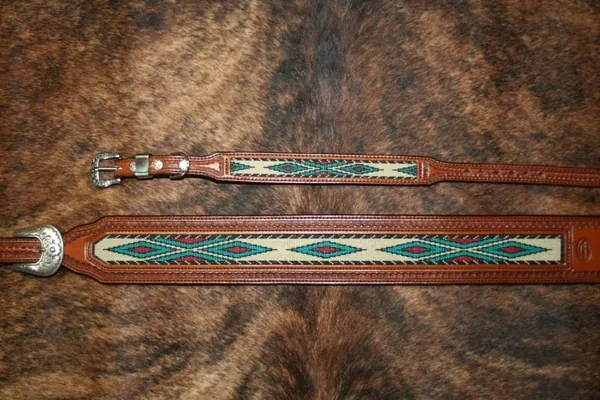
Tooled patterns, loom-woven beadwork, conchos, fringe, and lining can all be beautiful when the strap still works as a strap. The most lasting designs tend to put the decorative focus where it can be seen in playing position, while leaving the shoulder contact and adjustment points comfortable and practical. The tooled leather guitar strap guide is useful when carved or stamped leather is part of the picture.
Share a photo of your guitar when you order a custom piece. Its finish, hardware color, top figure, and the way you wear it give a maker better information than a vague description. A custom strap can echo those details quietly, or make a deliberate contrast that still feels like it belongs with the instrument.

Use a full-set test before calling the choice final
Comfort changes over time. A strap that feels fine the moment you put it on may become distracting after several songs, a few position changes, or a trip on and off a stool. Test it the way you actually play: standing, sitting if that matters, moving around if you move on stage, and wearing the clothes you normally wear for rehearsal or a show.
Watch for compensation. Raising one shoulder, leaning the guitar against a hip, pulling the neck inward, or changing your usual hand position are useful clues. A wider section may help when pressure is concentrated. A different length may help when the guitar keeps pulling your torso or hands out of their natural place. A little padding may help when the support is right but the contact becomes firm over time.
A strap can make an instrument more comfortable to live with, but it is not a medical solution. Persistent shoulder, back, or wrist pain deserves attention from a qualified health professional. The goal here is simpler: remove the obvious strain that a poorly fitted strap adds to a playing setup.
Build the strap around the guitar you play
Southwest Distinctions builds leather guitar straps from the working decisions outward. Start with your Les Paul, the height you play at, the time you spend standing, the shoulder support you need, and whether a fixed or adjustable build makes sense. From there, the visual details can become personal: Hermann Oak leather, a lined or padded shoulder section, hand tooling, loom-woven beadwork, conchos, or a quiet finish that lets the guitar lead.
Browse the handmade guitar strap collection for finished examples, then see custom leather guitar straps for the choices worth settling before a made-to-order piece begins. When you have a photo of your Les Paul and a few notes about fit, the custom order page is the direct next step.
Made around your guitar
Get the fit right. Let the leatherwork carry your style.
Explore handmade leather guitar straps, or begin a custom order with a photo of your Les Paul and a few notes about the way you play.
Questions about Les Paul guitar straps
What width guitar strap is best for a Les Paul?
There is no single width that suits every player. A wider shoulder section can spread the feel of a heavier guitar over more of the shoulder, while a slimmer strap can feel right for a shorter session or a player who prefers less bulk. Test the guitar at your normal playing height before deciding.
Should I use strap locks on a Les Paul?
A locking system can add confidence for a valuable guitar or active playing, but it should be compatible with the instrument and installed according to its maker’s directions. It does not replace sound leather ends, properly seated buttons, and regular checks.
How long should a Les Paul strap be?
Set the guitar where both hands and shoulders feel natural while standing. Check the real adjustment range if you wear the guitar low, are tall, move between sitting and standing, or share the strap with another instrument.
Can a leather strap damage a Les Paul finish?
Any material or hardware can create wear when it rubs against an instrument over time. Keep the guitar and strap clean, avoid rough or loose hardware, and check how a new strap contacts your instrument before relying on it for long sessions.
Related posts
Guitar Culture
Guitar Strap Width: How to Choose the Right Fit
A practical guide to choosing guitar strap width for your instrument, playing time, comfort, and personal style.
Read the guide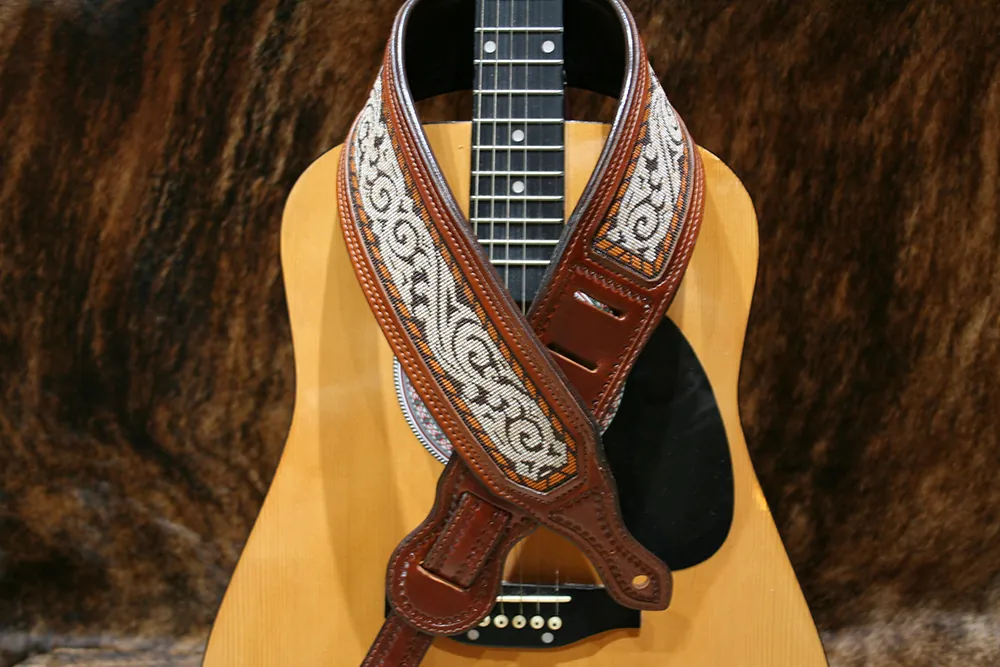
Guitar Culture
Padded Leather Guitar Straps: How to Choose One
A practical guide to choosing a padded leather guitar strap for the right width, length, support, and playing comfort.
Read the guide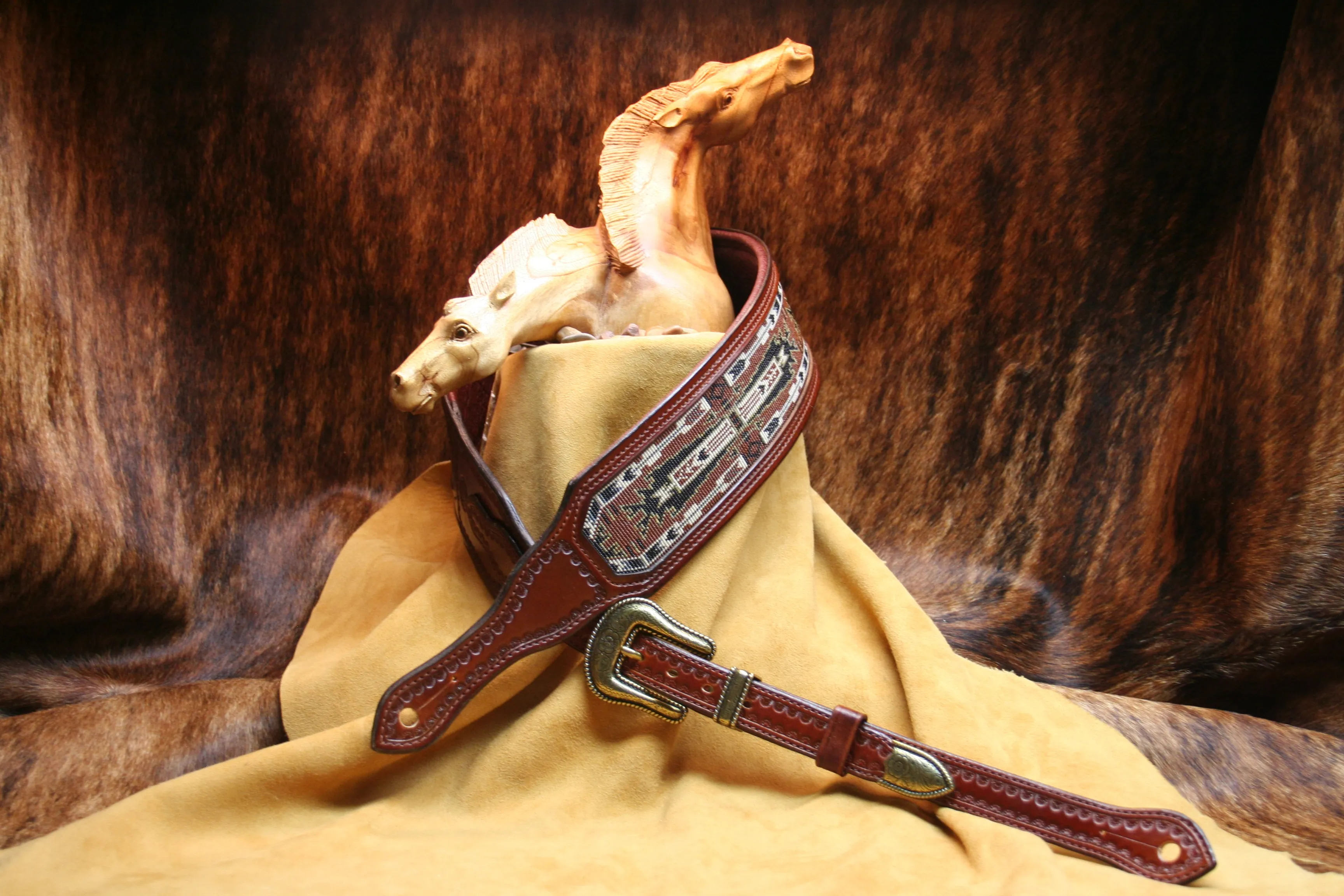
Guitar Culture
Guitar Strap Hardware: What Holds the Fit Together
A practical guide to guitar strap hardware, from leather ends and adjustment fittings to secure everyday checks.
Read the guide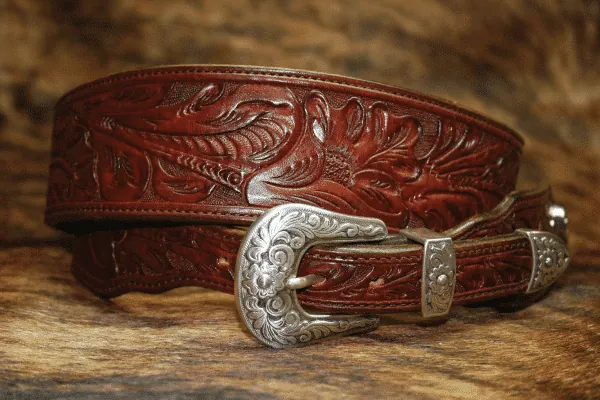
Guitar Culture
Tooled Leather Guitar Straps: What to Look For
A practical guide to choosing a tooled leather guitar strap for the right pattern, leather, fit, and long-term use.
Read the guide