
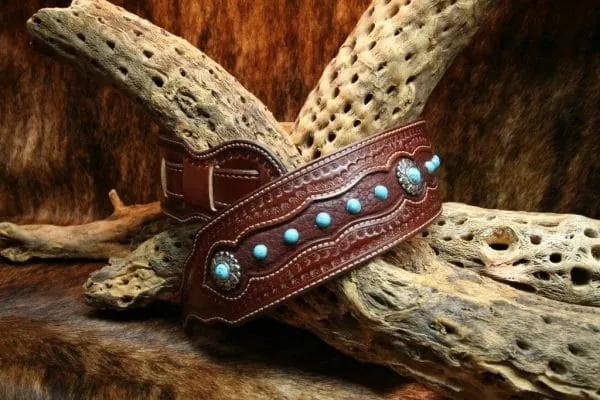
The best guitar strap is not a universal product. It is the one that keeps your guitar secure, puts it at a natural playing height, and feels right after the first few songs instead of only during a quick try-on.
That answer changes with the instrument. A light acoustic used for an occasional open mic asks less of a strap than a heavy solidbody, a bass, or a guitar worn through a long rehearsal. Start with what the guitar and your body need. Material, tooling, beadwork, and color come next, where they can make the strap feel like it belongs with the instrument rather than simply hangs from it.
Start with the job the strap has to do
Before comparing materials, think about your guitar, your playing time, and the way you move. A player who mostly practices seated needs a different answer from someone standing at a rehearsal, changing guitars onstage, or carrying a heavier instrument for a full set. The strap is support equipment first. Its job is to hold the guitar at a useful height without asking your hands or shoulder to do extra work.
Weight and time are the two useful tests. A light guitar may feel good on a simple two-inch strap. A heavier guitar often benefits from a broader shoulder section or padding, because the load is spread across more of the shoulder. Fender’s beginner guidance similarly recommends at least two inches of width, with padding as an option when shoulder and neck comfort need more attention. Fender’s guitar setup guide is a sensible starting point, not a substitute for trying the fit yourself.
Put your current strap on and play for ten minutes before shopping. Notice what actually feels wrong. A pressure point can suggest more width. A tired shoulder can point to padding or a different position. A guitar that hangs too low may only need a longer adjustment range. Naming the problem makes the choice much easier than buying the strap with the loudest promise.
Choose width before you chase softness
Width spreads the guitar’s weight. Padding cushions it. Both can help, but they are not the same thing. A narrow padded strap can still concentrate weight into one place, while a broad unpadded leather strap can feel excellent on a lighter guitar. For a heavy guitar or bass, the shoulder section should be wide enough to stay comfortable without folding at the edges or digging in.
There is no magic number that works for every player. Guitar Player’s current buying guide puts a 2.5-inch leather strap among its comfortable options for a heavier Les Paul-style guitar or bass, while the guide also highlights a narrower two-inch polypropylene strap as a budget choice. Their side-by-side examples show why the instrument and intended use matter more than a single specification.
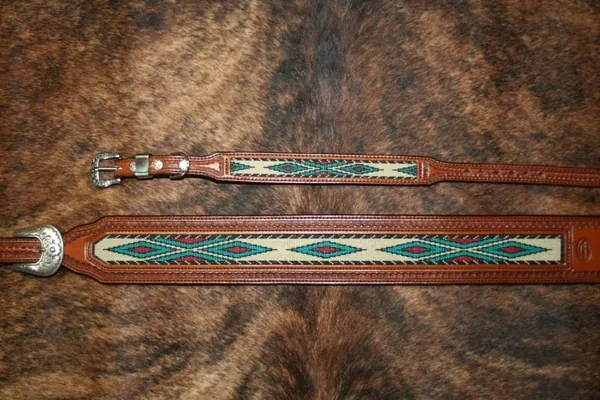
Look at the shape as well as the number. A shoulder panel that widens where the guitar rests on you, then tapers toward the strap buttons, can provide support without feeling bulky near the instrument. The Journal’s guitar strap width guide goes deeper on matching the shoulder section to the way you play.

Set the playing height before calling a strap comfortable
A soft strap cannot solve a guitar that is hanging in the wrong place. Before you judge comfort, adjust the guitar to the height where your fretting hand, picking hand, and shoulders can stay relaxed. Play open chords, a higher-neck phrase, and the rhythm part you use most. If you are lifting a shoulder, sharply bending a wrist, or holding the guitar against your body with your fretting hand, change the length before you change the strap.
Almost every strap adjusts, but the available range varies. Guitar World’s buying guide makes the useful point that a strap has to be long enough for both your height and the way you prefer to wear the guitar, and that leather adjustment often works differently from a sliding webbing buckle. Their fit guidance is worth reading before you order any strap by a single stock photo.
For an adjustable leather strap, choose a range that reaches your natural standing position without putting the adjustment hardware in an awkward spot. For a fixed custom strap, measure with the guitar on your body at the position you actually use, not where you think it ought to hang. Our leather strap adjustment guide gives you a repeatable way to test that fit.
Pick material for the way you play
Nylon and polypropylene straps are light, adjustable, and often an easy first strap. They make good sense for a lighter guitar, a spare strap in a gig bag, or a player who wants a simple, low-cost option. Their tradeoff is usually a thinner shoulder feel and a more utilitarian look.
Leather is a strong choice when you want a strap with body, a finished feel, and a look that develops character with the instrument. A good leather strap should have sound ends, thoughtful adjustment, and enough substance for the guitar it carries. It should not need to be overly stiff to be secure. A new leather end may fit snugly over a button, which can be reassuring once it is fully seated, but it should never be forced or cut by guesswork.
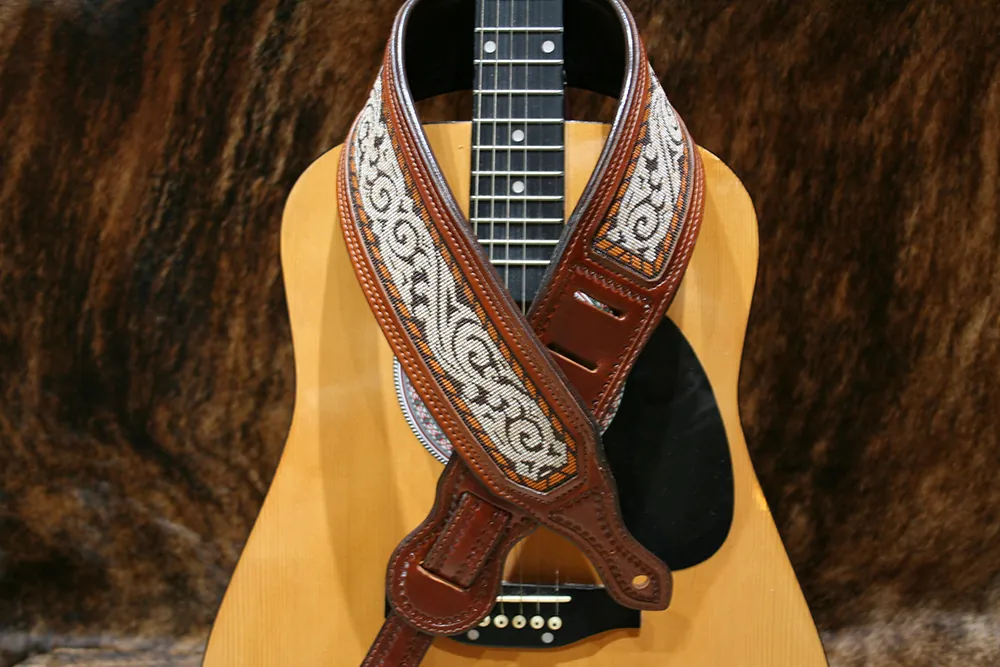
For a heavier instrument or long standing sessions, a lined or padded leather build can add comfort. The padded leather guitar strap guide explains how shoulder width, lining, and padding work together. For a lighter guitar, a simpler leather strap may be all you need. The useful question is not whether leather is better in the abstract. It is whether its construction suits your guitar and your time on your feet.
Decide whether you need padding, lining, or both
Padding makes the most sense when the guitar’s weight or the length of a playing session is the real problem. It gives the shoulder a little more cushion and can make a wide strap feel even more settled. It is not automatically the premium option. A player with a light guitar may prefer a thinner leather build that follows the shoulder closely and does not add extra bulk.
Lining does a different job. It finishes the side of the strap that meets your clothing and shoulder, helps the leather feel more considered, and gives the maker another way to shape the strap’s character. A lined strap can be comfortable without padding. A padded strap can be comfortable without a complicated decorative face. The best construction is the one that fits the actual use, not the one with the longest feature list.
Think about when the discomfort shows up. If a guitar only becomes tiring late in a rehearsal, added width or padding may be useful. If it feels awkward from the first chord, check length and balance first. If the strap slides around on your shirt, a different lining or material may matter more than more foam. This small diagnosis keeps you from buying the same problem in a softer package.
Plan for the way the strap will age
A strap is one of the few pieces of guitar gear that touches your instrument, your body, and your clothes every time you play. It should be made for that regular contact. Leather will soften and show its life over time. That is part of its appeal, but it still needs care: keep it dry after a damp load-in, avoid leaving it in extreme heat, and look at the holes and stitching before a long session.
Be especially attentive to the two ends. These are the parts carrying the guitar, so stretched holes, split leather, or a connection that no longer sits fully under the button head deserve attention. A quality strap should last, but no strap becomes safer by ignoring visible wear. The guitar strap hardware guide is a useful checklist for the fittings and leather ends that keep an everyday setup working.
Choose the finish with that future in mind too. A plain leather strap can take on a quiet patina. A tooled or beaded strap can collect the marks of actual shows and rehearsals while still carrying the design that made you choose it. A piece made for years of use is more satisfying than an accessory chosen for a single photo.
Make the connection as important as the shoulder
The best-looking strap is not the best strap if its ends do not fit the guitar properly. Before buying, identify the attachment points on the instrument. Most electric guitars use two strap buttons. Some acoustics have one endpin and need a headstock tie for the other end. Others use an endpin jack, which can require a strap end sized for that hardware.
Check the existing buttons before you add a new strap. They should be firm, the strap end should sit all the way beneath the button head, and the leather or fabric around the hole should not be cracked or stretched. A locking accessory can add peace of mind, especially for active stage use, but it cannot make a loose screw or worn end safe. Our guitar strap locks guide explains the difference between a mechanical lock and a removable strap block.
Acoustic players should pause here. A headstock tie is often the sensible non-permanent answer for a one-button guitar, while a second button is a modification that deserves thought. If your acoustic has an endpin jack, follow the guitar maker’s guidance and make sure the strap seats cleanly around it. The acoustic leather strap guide and our guide on attaching a strap to an acoustic guitar cover those choices in more detail.
Match the strap to the guitar you actually own
A good all-purpose strap is not always the best specific strap. A bass or heavy solidbody often needs more shoulder support than a small acoustic. A Les Paul-style guitar can feel especially different from a light offset or hollowbody because the weight and balance land differently. A guitar that tends to neck-dive may need a strap material and shoulder feel that helps it stay put, rather than merely more padding.
Start with the guitar’s real behavior. Does it pull at the neck? Does it feel heavy after two songs? Do you like it worn high for control or lower for a relaxed position? Use the answers to narrow the choices. Our leather bass guitar strap guide focuses on long-session support, while the beaded guitar strap guide explains how detail work and daily usability can sit together.
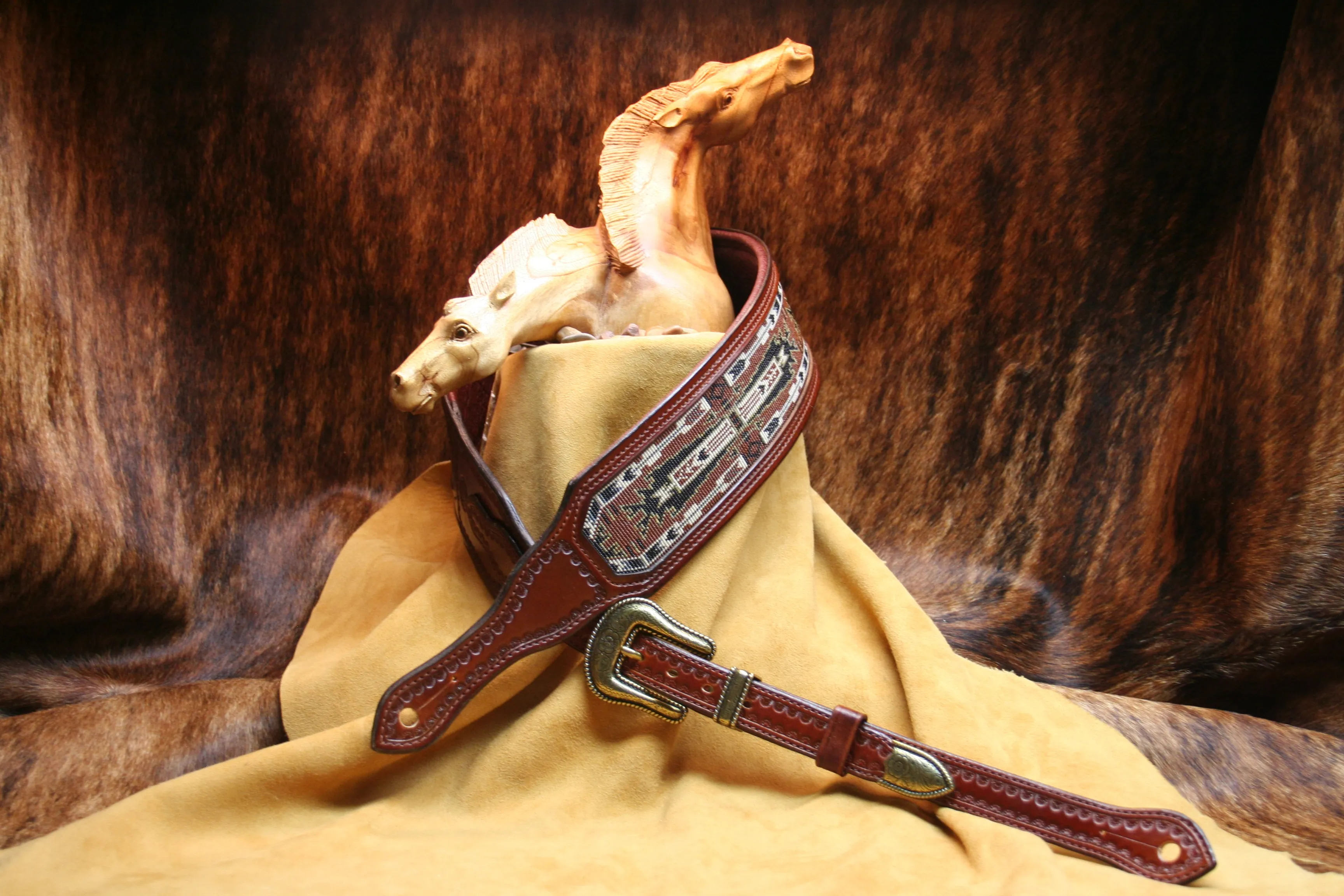
Do not choose only for the guitar’s finish. A strap should make the instrument feel settled on your body before it completes the visual picture. Once it does, the visual side can be the fun part: a quiet tooled border, a leather color that belongs with the body, or loom-woven beadwork that echoes a detail you already love in the guitar.
Use a short, honest playing test
If you can try a strap before committing, give each candidate the same test. Adjust the guitar to the same height, play familiar chord shapes, move around, sit down, and stand again. Notice if an edge rolls, a buckle lands on your shoulder, or the guitar shifts away from your body. You are looking for quiet support, not a dramatic first impression.
Then inspect the practical details. Is the adjustment secure? Are the ends thick and sound? Can you attach it without fighting the buttons? Does the material feel right over the clothes you actually wear while playing? A strap that feels good for thirty seconds can reveal a pressure point after several minutes, so let the test run long enough to tell the truth.
Keep a little perspective about style. There is nothing wrong with choosing a strap because it looks right with the guitar. The strongest choice just earns that look after it clears fit, support, and security. That is how a strap becomes part of an instrument you keep reaching for, rather than another accessory that stays in a drawer.
A quick buying checklist
Before you order, write down the answers to five simple questions. What guitar will wear this strap most often? How high do you play it? How long do you normally stand with it? What has felt wrong about straps you already own? And what connection does the guitar use? Those details turn a vague search for the best guitar strap into a choice you can explain and repeat.
Then check the strap’s stated adjustment range, shoulder width, material, end construction, and any lock compatibility. A product description should tell you enough to make a useful comparison. If it does not, pause before buying. There is no benefit in forcing a leather end over unfamiliar hardware or guessing whether a short range will fit your body.
Finally, decide what you want the strap to say visually after the working details are set. It may be understated, hand tooled, deeply beaded, or simply the right leather beside a familiar guitar. That part is personal. The comfort and security work is what lets you enjoy it every time you play.
Do not let a price tag make the decision for you
A less expensive strap can be the right answer when it fits the guitar, adjusts where you need it to, and has sound ends. A player does not need a premium leather strap simply to begin standing up with a light guitar. At the same time, a strap that carries a heavy or valuable instrument through frequent rehearsals is not a place where the cheapest option should be the only deciding factor.
Spend according to the work the strap will do. A basic strap can be a useful spare, a practice-room option, or the first step in learning your preferred height. A more substantial strap becomes worthwhile when you want long-session comfort, durable construction, a particular leather feel, or a design that stays with one instrument for years. The practical value is in fewer compromises every time you pick up the guitar.
Compare the whole build rather than an isolated feature. A high price does not automatically mean the length range will suit you. A low price does not automatically mean the strap is unsafe. Read the measurements, inspect the end construction, and make the choice against the guitar you own. That is a much better filter than a badge, a celebrity association, or a pattern that happens to be popular this season.
Give a new leather strap time to become familiar
Leather has a different first impression from webbing. A new leather strap may feel more structured, and the button holes can fit snugly before they settle into ordinary use. That is normal when the leather end is properly made and fully seated. It is not a reason to force it over a button, cut the hole larger without guidance, or skip a connection check because the strap looks secure.
Use the new strap at home first. Attach it with the guitar supported, set the length, and play standing for a short session. Take it off, inspect the ends, and put it back on a second time. This lets you learn the adjustment and attachment without the distraction of a rehearsal or stage change. If the strap remains difficult to fit, twists at the shoulder, or does not sit naturally on the guitar, solve the issue before the next performance.
With regular use, good leather develops to the player’s habits. The shoulder section finds its place, the adjustment becomes familiar, and the marks of playing become part of the piece. That long relationship is one reason musicians choose a handmade leather strap when they have found the guitar they intend to keep.
Keep the decision simple
For most players, the best path is straightforward: choose a strap long enough for your usual height, broad enough for the instrument’s weight, and secure enough for the way you play. Add padding when the guitar or the playing time calls for it. Choose a lock when the risk of a slip makes extra retention worthwhile. Then choose the leather, color, tooling, or beadwork that makes you happy to reach for the guitar.
You do not need to solve every possible future use before buying. Start with the guitar you play most, the sessions you play most often, and the height that lets you play comfortably. A good strap supports that real life. It can be practical, personal, and made to last without becoming more complicated than the music requires.
If you are still undecided, choose the strap that answers the clearest need. A player with a heavy guitar should start with support. A player who cannot find a natural height should start with adjustment range. A player with an unusual acoustic connection should start with compatibility. Once that first need is met, the remaining choices become enjoyable details instead of expensive guesses.
That order keeps the decision grounded. Your hands, shoulders, and instrument will tell you more than a trend list ever can. Listen to those practical signals, then choose the piece you want beside you for the next practice, rehearsal, recording session, or show today.
When a handmade leather guitar strap is the right answer
A handmade strap is especially useful when off-the-rack choices almost work but miss one important detail. You may need more width for a heavy guitar, a fixed length for one familiar playing height, a particular leather feel, or visual work that has a place on the guitar without making the strap less useful. Those choices are easier to make when the strap begins with the way you play.
Southwest Distinctions builds leather guitar straps around the player and instrument, with hand tooling, loom-woven beadwork, lined and padded options, and the kind of fit conversation that a generic product page cannot provide. Browse the handmade guitar strap collection, explore custom leather guitar straps, or begin a custom order with a photo of your guitar and a note about what you want to feel differently when you put it on.
Built around your guitar
Start with fit. Finish with a strap that feels like it belongs there.
Explore handmade leather guitar straps, or begin a custom order around your instrument and the way you play.
Questions about choosing the best guitar strap
What is the best guitar strap for most players?
The best guitar strap is the one that matches your guitar’s weight, your playing height, and the time you spend standing with it. For many players, a well-made adjustable strap with secure ends and enough shoulder width is a better choice than a strap selected only for its pattern.
How wide should a guitar strap be?
A light guitar can feel good on a slimmer strap, while a heavier solidbody or bass often benefits from a broader shoulder section. Try the guitar at your real playing height for several minutes, because comfort is personal and depends on how the strap sits across your shoulder.
Are leather guitar straps comfortable?
A leather strap can be very comfortable when its width, length, lining, and break-in feel suit the player. Leather is also a strong choice for a custom strap because the fit, shoulder section, tooling, and beadwork can be planned around one instrument.
Do I need guitar strap locks?
Locks can add confidence for active stage use, frequent strap changes, or a valuable instrument. They are an extra layer, not a replacement for sound buttons, intact strap ends, and a connection that has been checked before playing.
Related posts
Guitar Culture
Guitar Strap Width: How to Choose the Right Fit
A practical guide to choosing guitar strap width for your instrument, playing time, comfort, and personal style.
Read the guideGuitar Culture
Padded Leather Guitar Straps: How to Choose One
A practical guide to choosing a padded leather guitar strap for the right width, length, support, and playing comfort.
Read the guide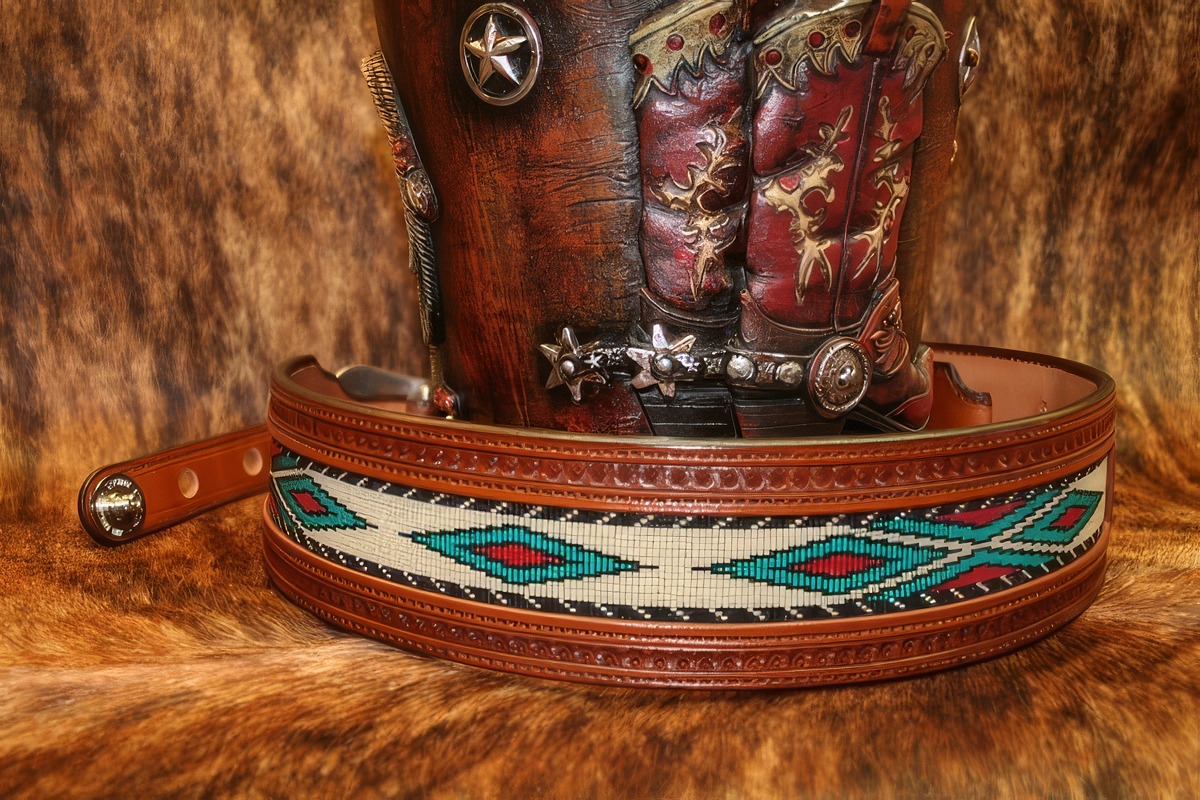
Guitar Culture
Guitar Strap Locks: A Practical Guide
A practical guide to choosing guitar strap locks, strap blocks, and a secure setup for the way you play.
Read the guideGuitar Culture
Guitar Strap Hardware: What Holds the Fit Together
A practical guide to guitar strap hardware, from leather ends and adjustment fittings to secure everyday checks.
Read the guide